

Course Design and Objective
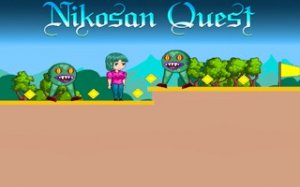
Each course in Reddkit 2D Obstacle Runner is a side-scrolling stretch filled with traps and gaps. Your only goal is to reach the end without getting caught. The layouts are built around playful surprises rather than punishing difficulty, so a failed jump usually teaches you something about the next attempt. Because the game draws from obstacle course racing, courses tend to feel like short, self-contained challenges rather than long, sprawling levels.
Controls and Timing
You move with simple directional inputs—typically arrow keys or on-screen buttons—and jump to clear gaps or avoid hazards. Timing matters more than speed. A jump made too early or too late sends you back to the start of the section, which keeps the focus on reading each obstacle before you commit. The controls are responsive enough that mistakes feel like your own rather than the game fighting you.
Obstacles and Humor
The traps lean toward the silly side. Instead of grim hazards, you encounter playful obstacles that are meant to catch you off guard and make you laugh when they do. That tone keeps the game approachable for younger players and for anyone who wants a light challenge rather than a stressful one. New obstacle types appear as you move through the courses, so the game asks you to adapt rather than memorize one pattern.
Playing in Short Sessions
Runs are brief by design. You can finish a course in a few minutes, which makes the game easy to pick up during a break. The browser-based format means there is nothing to download, and the family-friendly presentation avoids content that would be inappropriate for children. If you stick with it, the courses reward better reflexes and a sharper eye for efficient routes.
Comments
0 comments