
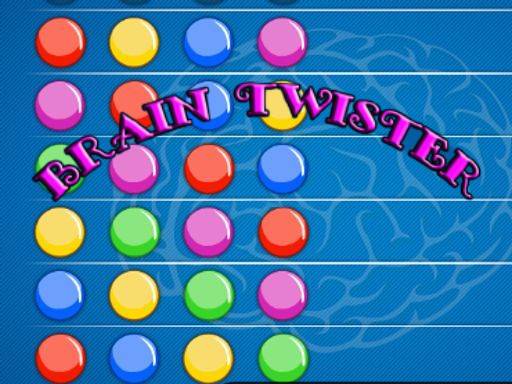
Uncovering the Hidden Sequence
Logic Color Sequence Puzzle is a free online game built around one clear objective: determine the exact order of colors in a hidden sequence. Each round generates a fresh puzzle, so the solution changes every time. Players face a row of empty slots and a palette of colored items. The challenge is not reflexes or speed but careful deduction. Because the sequence is randomly generated, no pattern can be memorized from previous rounds. This design keeps the game focused on reasoning rather than repetition.
Reading Feedback Markers
After placing colors into the slots and submitting a guess, the game returns two types of markers. One marker indicates a color that belongs in the sequence but sits in the wrong position. Another marker confirms a color is correct and in the right slot. These clues are the only information available, so interpreting them accurately is the core skill. Players adjust subsequent guesses by moving colors, swapping positions, and eliminating colors that never appear in the feedback. The process continues until the sequence is fully matched.
Pacing and Accessibility
There are no time constraints. Players can analyze each clue for as long as they need, which makes the game suitable for quick sessions or extended play. Controls are simple, typically drag-and-drop or click-to-select, so new players can start immediately. The visual design uses clear, colorful elements that keep attention on the logical task. Because each color can only be used once per guess, every decision carries weight and requires planning.
Building Deduction Skills
Success depends on methodical thinking. An effective first guess uses a variety of colors to gather broad information. Subsequent guesses should test specific hypotheses about position and presence. Process of elimination helps rule out colors that are not part of the sequence. With practice, players learn to extract more information from each feedback marker and reduce the number of guesses needed. The game rewards patience and observation over quick reactions.







Comments
0 comments