
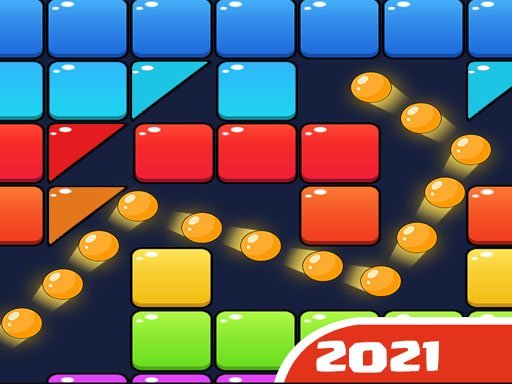
Matching Adjacent Hex Tiles
The board is filled with hex-shaped tiles in several colors. Your task is to find groups of two or more tiles that share a color and touch each other, then click or tap any tile in the group to remove it. Larger groups award more points, so scanning for clusters rather than single pairs is the main strategic decision. After tiles disappear, new ones drop into the empty spaces, which can create fresh matches or break up existing ones. The game ends when the board is completely clear or when no adjacent same-color tiles remain.
No Timers, No Pressure
There are no countdown clocks or move limits in the basic version, so you can study the board for as long as you like before selecting a group. That design choice makes the game approachable for younger players who are still learning to spot patterns, and it also suits adults who want a low-stress activity during a break. The controls respond to both mouse clicks and touchscreen taps, so the same session works on a desktop, tablet, or phone without any setup.
Playing Together on One Device
The game supports turn-taking on a single device, which lets friends or family members compare scores in a casual setting. Because there is no account creation or personal information required, handing the device to another player is straightforward. The bright visuals and gentle sound cues provide clear feedback after each match, reinforcing successful moves without adding tension.
Session Variety and Board Layout
The puzzle board may change its layout or size between sessions, which alters how tiles are distributed and how quickly open spaces fill. Some versions of this style of game include challenge modes with a set number of moves or a time limit, but the standard mode remains open-ended and relaxed. Each session is a fresh arrangement, so the same approach will not work every time.








Comments
0 comments