
Core Matching Logic
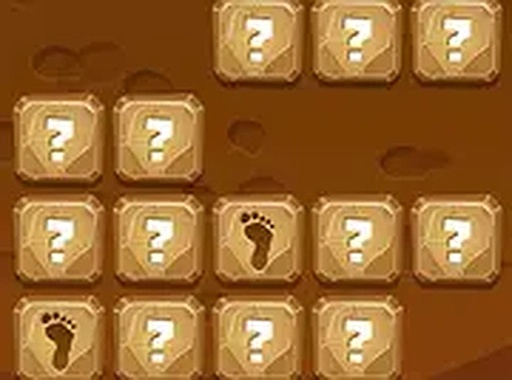
At its heart, Ancient Tile Connection revolves around identifying identical symbols scattered across a grid. Each tile displays a distinct prehistoric motif, such as a mammoth, a cave painting, or a stone tool. The objective is to locate and select two matching tiles. Once a correct pair is chosen, both tiles vanish from the board. This action often causes tiles above to shift downward, creating new arrangements and potential matches. The cycle continues until the entire grid is cleared. The simplicity of this mechanic makes it accessible to newcomers while still offering a satisfying mental workout for experienced players.
Visual Theme and Atmosphere
The game draws its visual identity from early human history. Tiles feature stylized depictions of ancient animals, primitive tools, and geometric patterns reminiscent of cave art. The color palette leans toward earthy tones like ochre, clay, and charcoal, reinforcing the stone-age setting. Backgrounds are kept minimal to avoid distracting from the puzzle itself. This thematic consistency adds a layer of educational charm, subtly introducing players to symbols from a bygone era. The overall aesthetic is clean and inviting, contributing to a relaxed gaming atmosphere.
Accessibility and Platform Support
Ancient Tile Connection is built to be played without barriers. It runs directly in a web browser, eliminating the need for downloads or installations. The interface adapts to both desktop monitors and mobile screens, allowing players to switch between devices seamlessly. A full-screen mode is available for those who prefer an immersive view. Controls are limited to simple clicks or taps, making the game suitable for players of all ages and technical skill levels. This cross-platform design ensures that a quick puzzle session is always within reach, whether at home or on the go.
Pacing and Player Experience
The game deliberately avoids time pressure or scoring systems that might induce stress. Instead, players are free to examine the grid at their own pace. This unhurried approach encourages careful observation and strategic thinking. Some players may choose to clear tiles methodically, while others might look for patterns that lead to chain reactions. The absence of penalties for slow play makes it an ideal choice for unwinding after a busy day. The primary reward comes from the simple satisfaction of clearing the board and seeing the final empty grid.
Family-Friendly Design
Content is carefully curated to be appropriate for all audiences. There are no violent or frightening elements, even within the prehistoric theme. The stone-age setting is portrayed in a neutral, educational manner rather than as a hostile environment. This makes the game suitable for children playing independently or for family game sessions. The lack of text-heavy instructions also means that language barriers are minimal. Parents can feel confident that the experience is safe and constructive, focusing purely on cognitive skills like pattern recognition and memory.









Comments
0 comments