
The Core Matching Mechanic
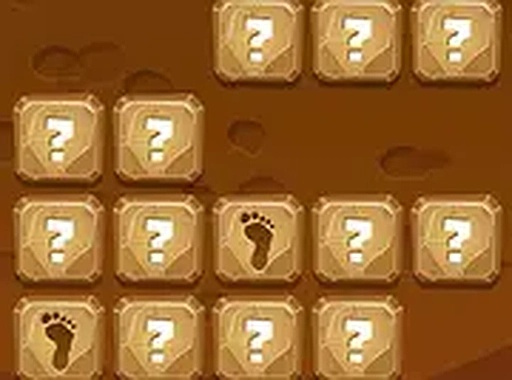
Ancient Tile Connection is built around a single, clear task: find two tiles showing the same prehistoric symbol and select them. A correct pair disappears from the board, and the tiles above it drop down to fill the gap. That shift can expose fresh pairs, so each removal changes the layout you are working with. The board is cleared only when every tile has been matched. Because there is no timer and no penalty for pausing, the challenge comes from scanning the grid carefully rather than reacting quickly.
Prehistoric Visual Identity
Every tile carries a stylized motif drawn from early human history, such as a mammoth, a cave painting, or a stone tool. The palette stays in earthy territory—ochre, clay, and charcoal—which keeps the stone-age setting consistent without overwhelming the puzzle. Backgrounds are deliberately plain, so the symbols remain the focus. That restraint matters: in a matching game, visual noise makes it harder to compare tiles at a glance.
Play Anywhere, No Installation
The game runs directly in a web browser, so there is nothing to download or install. The interface adjusts to desktop monitors and mobile screens, and a full-screen option is available for a larger view. Controls are limited to clicking or tapping a tile, which keeps the game accessible to younger players and anyone who prefers a simple input scheme. A session can be as short as a few minutes, which suits a quick break at home or on the go.
Pacing and Player Approach
Without a clock or a scoring system, Ancient Tile Connection lets players set their own rhythm. Some will work through the grid methodically, clearing one region before moving to the next. Others will scan for pairs whose removal triggers a chain of shifts and opens up new matches. Neither approach is wrong, and neither is punished. The reward is the empty grid itself—a quiet, unpressured form of pattern recognition practice.







Comments
0 comments