
Room Exploration Basics
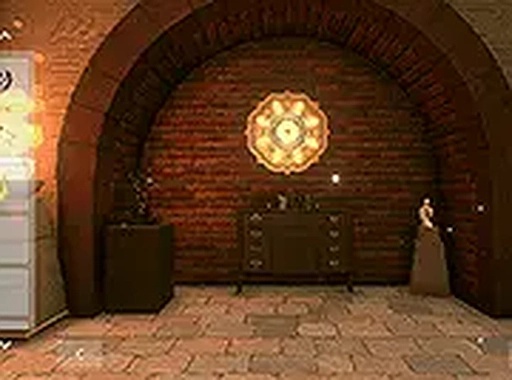
In this logic-driven adventure, players start inside a single chamber with various furnishings and decorations. Every object in the room may serve a purpose, from a bookshelf with numbered volumes to a desk with drawers that require careful inspection. The game encourages a methodical approach: look closely at each item, note any markings or unusual features, and consider how different pieces might connect. There is no need to rush, as the environment is designed for thoughtful examination rather than speed.
Clue Gathering and Pattern Recognition
Progress depends on finding subtle hints scattered throughout the space. These may appear as sequences of symbols, color-coded elements, or hidden compartments that only open after certain conditions are met. Players must keep track of what they see and think about how clues relate to one another. For example, a pattern on a rug might match a sequence on a locked box, or a note found inside a book could reveal a combination. This type of observation builds logical reasoning skills in a natural way.
Puzzle Progression and Difficulty Curve
The challenges start with simple tasks, such as locating a visible key or matching a shape to its slot. As players move forward, puzzles become more layered, requiring the combination of multiple clues or the use of items in creative ways. The difficulty increases gradually, so each new puzzle feels like a natural next step rather than a sudden jump. This structure helps maintain a steady sense of accomplishment without causing frustration.
Visual Style and User Interface
The graphics present a clean, clear view of the room with enough detail to make objects identifiable without being cluttered. Clicking on an item brings it into focus, allowing players to examine it closely. The interface uses simple point-and-click controls that respond immediately, making it easy to interact with the environment. A full-screen option is available for those who prefer a more immersive view, and the game runs smoothly in standard web browsers.
Family-Friendly Design Philosophy
This game is built around the idea that puzzle solving should be accessible to everyone. There is no violent content, no time limits, and no complex instructions. The themes are neutral and inviting, making it suitable for children and adults alike. Parents can feel comfortable letting younger players explore the room, as the content is entirely appropriate for all ages. The lack of pressure also makes it a good choice for casual gamers who want a relaxing mental exercise.










Comments
0 comments