
Vehicle Choice and Handling
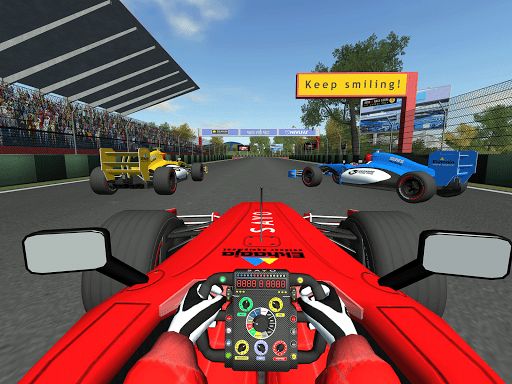
Players begin by selecting from several available vehicles, each with its own distinct driving feel. Handling and speed differ between them, so the choice affects how jumps, loops, and landings play out. Vehicles can be switched at any time, letting players compare how the same ramp or loop behaves under different weight and acceleration profiles. That flexibility is central to the game's experimental approach.
Map Layout and Stunt Spots
The open map is built around ramps, barriers, and loops placed specifically for stunt performance. There are no strict routes or time limits, so players can approach any structure at their own pace. Barriers function as both obstacles and launch points, while loops reward maintained speed and smooth steering. Exploring the full map reveals which areas suit long chains of tricks versus single high-scoring jumps.
Controls and Accessibility
Keyboard arrow keys or on-screen controls handle all driving. The scheme is deliberately simple, which keeps the focus on timing and vehicle choice rather than complex inputs. Smooth physics support this: crashes usually come from mistimed landings or excessive speed, not from fighting the controls. That simplicity is what makes the game approachable for younger players and casual drivers alike.
Scoring Through Stunt Chains
Points come from performing tricks, and the scoring system rewards continuous, clean driving. Chaining stunts without crashing yields more than isolated jumps, so maintaining control matters more than attempting the biggest possible launch. Practicing jump and landing timing on each ramp, and matching the right vehicle to each stunt type, are the most reliable ways to raise a score. The absence of pressure or competition keeps the loop relaxed rather than stressful.







Comments
0 comments