
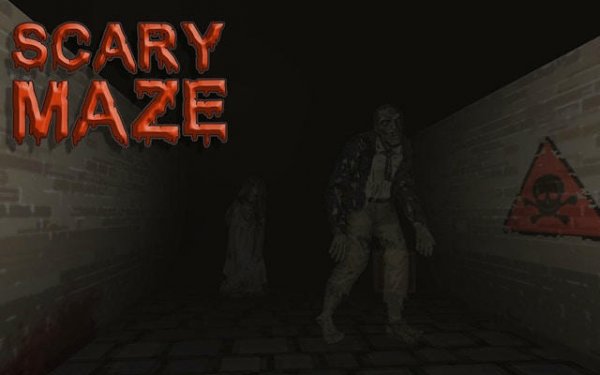
Objective and Core Loop
Every session in Corridor Quest follows the same structure: search a three-dimensional maze for a single hidden key, then find the locked gate that key opens. The challenge comes from observation and memory, not combat or time limits. A personal timer tracks how long you take, but nothing punishes a slow run. The fixed maze layout means your first attempt is about learning the space, and later attempts are about recalling it accurately.
Movement and Interaction
You navigate using standard keyboard and mouse controls. Movement is first-person, so you walk through corridors, peek around corners, and check alcoves for the key. Once you pick it up, the game does not mark the gate on a map or give you a compass. You have to remember the key's location relative to landmarks you noticed, then search elsewhere for the gate. The controls stay out of the way, leaving your attention on spatial awareness rather than button combinations.
How Memory Shapes Progression
Because the layout is identical across playthroughs, improvement comes from memorizing positions. On an early run you might wander through several wrong turns before finding the key. By the fifth or sixth attempt, you likely know which corridor holds the key and which branch leads to the gate. That gradual shift from exploration to recall is the main source of satisfaction. The game suits players who enjoy patient, low-pressure puzzles and are comfortable with repetition as a learning tool.
Presentation and Pace
The 3D environment uses clear visual cues so you can orient yourself without feeling lost. Audio is calm and unobtrusive, supporting concentration rather than adding tension. There is no time pressure and no penalty for taking a break. The overall tone is focused but relaxed, which makes Corridor Quest a reasonable choice for players who want a puzzle they can return to in short sessions and gradually master.








Comments
0 comments