
How the Rotation Mechanic Works
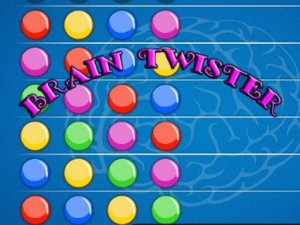
Every puzzle begins with a scrambled grid of colored tiles and a target arrangement displayed on screen. Players rotate whole rows or columns, which shifts several tiles at once. Because one rotation changes the position of multiple pieces, the real task is anticipating how each move ripples across the board. Success comes from recognizing how a single rotation affects the overall pattern, not from making many rapid moves.
Visual Clarity and Immediate Feedback
The interface uses bright, distinct colors so each tile is easy to tell apart. When a row or column turns, the motion is smooth and the result is instantly visible. The target pattern stays on screen the whole time, letting players compare their grid against the goal at a glance. This keeps attention on the puzzle rather than on remembering what the goal looks like.
Difficulty That Grows Gradually
Early levels use small grids with simple patterns, which gives new players room to understand the rotation mechanic. Later puzzles enlarge the grid and complicate the target pattern, requiring longer sequences of moves. The curve is designed to feel steady: each new challenge builds on the last without a sudden jump in difficulty, so progress feels earned rather than frustrating.
Hints, Pacing, and Accessibility
A hint system offers subtle guidance when a puzzle stalls, pointing players in the right direction without revealing the full solution. There are no timers and no scoring penalties for slow play. Players can pause anytime and return later without losing progress. Controls work with both mouse and touch, so the game runs on computers, tablets, and phones, and it fits both short breaks and longer sessions.





Comments
0 comments