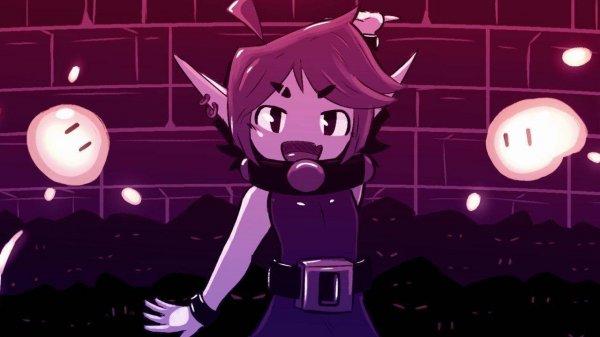
Lin's Trail: A Gentle Platform Quest
Review
Lin's Trail offers a refreshing take on the platform puzzle genre. The three regions are visually distinct and each presents unique environmental puzzles that require careful observation. The controls are responsive and the game never feels punishing. The gentle story adds context without interrupting gameplay. It is an ideal choice for players looking for a calm, thoughtful experience rather than high-speed action.
About This Game
World Design & Atmosphere
Lin's Trail presents three visually distinct regions, each with its own mood and challenges. The journey begins in a bright forest filled with colorful flora and gentle streams. Next, players navigate ancient stone structures where crumbling pillars and hidden alcoves create a sense of history. Finally, shadowy caverns introduce a more mysterious tone, with dim lighting and echoing sounds. Each area feels carefully crafted to encourage exploration and observation, rewarding players who take time to look around.
Core Puzzle Mechanics
The puzzles in Lin's Trail are built around environmental interaction. Players must activate switches to change the layout of platforms, move blocks to create paths, and find keys to unlock barriers. These puzzles require logical thinking and careful observation rather than quick reflexes. For example, a switch might raise a bridge, but only if a weight is placed on a nearby pressure plate. The solutions are always logical and never require trial-and-error guessing.
Controls & Movement
Lin's movement is simple and responsive. Players use directional inputs to move left or right and a jump action to reach higher areas or cross gaps. An interaction button allows Lin to touch objects, open doors, or activate switches. Timing is important when dealing with moving platforms, as Lin must jump at the right moment to land safely. There are no complicated button combinations, making the game accessible to players of all skill levels.
Hidden Secrets & Replay Value
Each stage contains hidden items tucked away in corners or behind breakable walls. These collectibles are not required to complete the game, but they add an extra layer of challenge for completionists. Revisiting earlier stages after learning new abilities can reveal additional secrets. The game encourages players to explore every nook and cranny, rewarding curiosity with visual discoveries and small story fragments.
Story & Progression
As Lin progresses through the regions, pieces of a larger story are revealed. The narrative explains the purpose of the journey and the history of the lands. The story is told through environmental storytelling and occasional text prompts, never interrupting gameplay for long. It adds context to the adventure without overwhelming the player, making the experience feel meaningful and cohesive.













































💬 Comments
0 comments